Key points
- The APC says a letter asking INEC to ensure President Tinubu wins in 2027 is fake and did not come from its chairman.
- The letter is dated November 22, 2026, is unsigned, and is addressed to INEC chairman Prof. Joash Amupitan.
- The APC's statement does not say who wrote the letter. That question is still open.
- A fake letter and a real one both teach the same lesson: INEC's neutrality is tested on election day, not in letters.
- Citizens can register, watch the polling unit and follow the results, and that is how trust is built.
A letter has been going round social media this week. It looks like a message from the national chairman of the All Progressives Congress to the head of the Independent National Electoral Commission. It asks INEC to make sure President Bola Tinubu wins the 2027 election.
On Monday, the APC said the letter is fake. Whoever made it, the story touches something every voter cares about: can INEC be trusted to stay neutral?
What the letter says, and what the APC says
The document is dated November 22, 2026. It is addressed to INEC chairman Prof. Joash Amupitan. It is titled “Preparations for the 2027 Presidential Election and Ensuring the Victory of President Bola Ahmed Tinubu”.
It claims the APC leadership expects INEC to use its administrative and operational powers to make sure Tinubu is declared winner. It is not signed.
The party said the letter did not come from its chairman, Prof. Nentawe Yilwatda. The statement came from his Special Adviser on Media and Information Strategy, Abimbola Tooki. He called the letter fake and malicious. He also called it a desperate attempt to harm the image of the party’s leaders and weaken democratic institutions.
The statement was strong. It said the letter “did not emanate from Professor Yilwatda, was not authored by him and has absolutely nothing to do with the National Chairman or his office.”
It added that the letter was “a fraudulent document, a malicious fabrication and a reckless attempt to impugn the integrity of the National Chairman, the APC and the democratic process.”
No signature, no proof
The APC pointed to the missing signature. It said the lack of any signature or authentication shows the letter is not genuine. It also said the letter does not follow the party’s usual way of sending out communication.
It said the letter was spread on purpose to mislead people and to damage the chairman’s name.
So far, that is where the facts stop. The APC’s statement does not say who wrote the letter. It does not say who first put it online. We have also not seen any reply from INEC. Anyone who claims to know the author should be asked for proof.
That matters. In the age of WhatsApp and screenshots, a fake can travel faster than the truth. A trader in Aba or a student in Kano may see the letter in a group chat and never see the denial.
Why a letter like this hurts, real or fake
Think about what the letter claims. It claims a party leader would ask the umpire to pick the winner. If that were true, it would be a serious matter. The law is clear that INEC should not take orders from any party or person. The commission exists to run elections fairly and to count what voters actually cast.
The APC says it never made such a request. We should take that as a clear position and hold the party to it. If the party really believes INEC must be neutral, it should say so often and say so loudly. The same goes for every other party.
But a fake letter can do damage even when it is false. It feeds a feeling many Nigerians already carry, that elections are decided before anyone votes. Some people will read it and decide there is no point going to the polling unit.
That feeling is also a danger. If voters stay home, the very thing they fear becomes easier to do.
In our view, this is the real lesson. INEC’s neutrality does not get proved by a letter, or by a denial of a letter. It gets proved on the day itself.
How voters can judge INEC for themselves
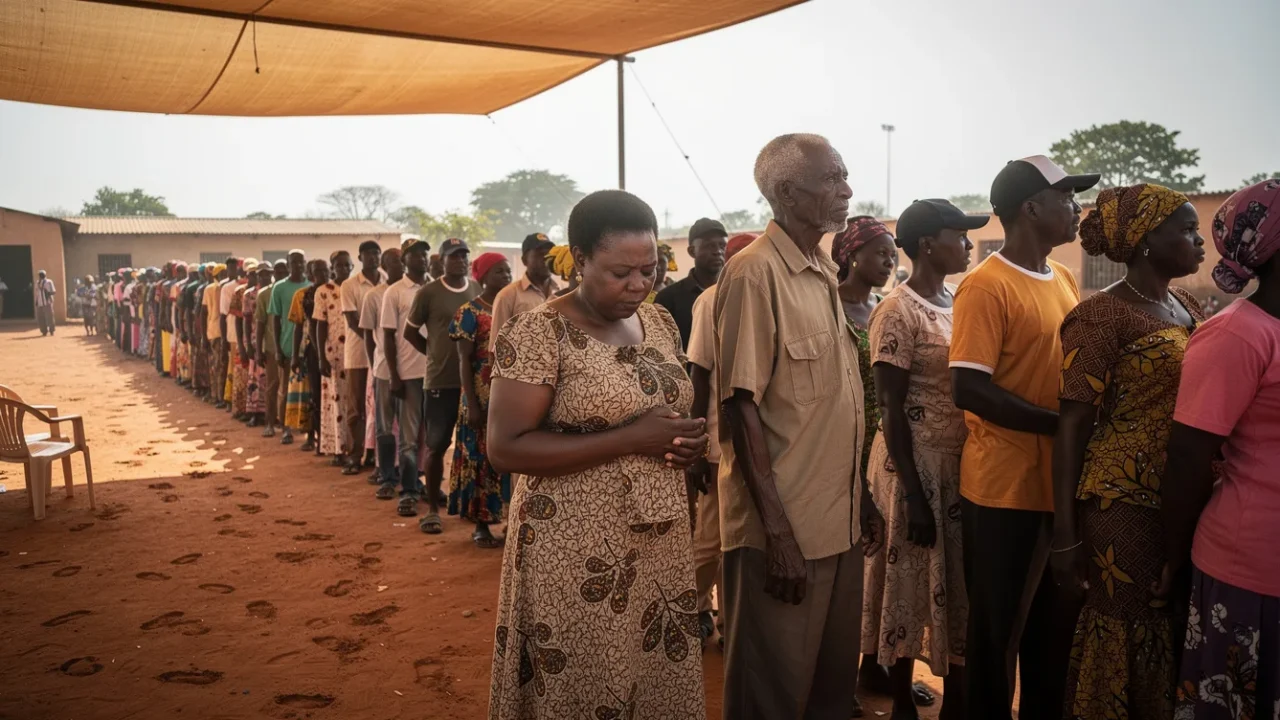
The test is simple, and ordinary people can watch it. Do voting materials arrive on time? Are results counted openly at the polling unit? Are the result sheets signed by party agents and posted for all to see? Do the figures that reach the collation centre match those at the polling unit?
When those steps are open, it is hard for anyone to cook the result. When they are hidden, doubt grows.
INEC also has a duty here. A letter with its chairman’s name on it is going round. The commission can help by telling the public plainly whether it received any such letter. Silence leaves room for rumours. A clear answer closes it.
The same goes for the parties. A party that wants trust should welcome observers and open counting. It should also tell its own members not to spread unverified documents.
Voters have a duty too. Before you forward a letter, ask a few simple questions. Is it signed? Has the named person or office confirmed it? Has anyone shown proof? If not, hold it back. Sharing a fake, even to be angry about it, helps whoever made it.
What you can do now
Do not wait for the next election to get ready. Check that you are registered, and collect your voter card. Join other citizens in your area who plan to watch the process, and learn which polling unit is yours.
On election day, stay and watch the count if the rules allow. Ask your local INEC office questions in writing, and keep a copy. Nigeria’s democracy is only as strong as the people who show up for it, and that means you.
What you can do
Change starts with citizens who show up. Here is how you can act on this story:
- Check that you are registered to vote and that your voter card is ready well before 2027.
- Before you share a letter or screenshot, ask if it is signed and if the named person or office has confirmed it.
- Go to your polling unit on election day and watch the count and the posting of results.
How much do you trust INEC to stay neutral in the 2027 election?
Tap to vote and see what other readers think.
Based on reporting by: APC disowns letter asking INEC to ensure Tinubu’s 2027 victory (Punch Newspapers)
Newsletter
Get stories like this every morning.
Nigeria's politics and public life, explained plainly. Choose every morning or once a week. Free, and you can leave any time.
Spotted an error? Tell us and we will correct it. Read our editorial standards.
Found this useful? Share it with someone who should read it.