Key points
- Accord Party candidate Gbenga Olawepo-Hashim says rigging in 2027 could delegitimise government and open space for insurgents.
- He alleges INEC's voters' register has millions of fake names and AI-generated pictures. These claims are his, and we have not seen them proved.
- A monitoring group recorded 16 election-related incidents in October, up from 14 in September, and two people were killed in attacks involving one party's campaign activities.
- A credible vote needs a clean register, open results, neutral security and swift punishment for offenders, whatever party they belong to.
- Ordinary Nigerians can check their registration, vote, observe, ask questions and stay peaceful.
Gbenga Olawepo-Hashim, the Accord Party’s presidential candidate, has sent a blunt message to Nigeria’s political class: do not rig the 2027 election. He said it could push the country into civil war.
He spoke on a podcast at the weekend. Whatever you think of him as a candidate, his warning touches what every Nigerian wants: a vote that counts, and a country that stays in one piece.
A warning from the podcast studio
Olawepo-Hashim said Nigeria is already on a dangerous edge. Insecurity, political mistrust and a weak election system, he said, are coming together in a way that armed groups could use.
“The moment there’s slight political crisis, the militia and terrorist groups, who are well organised, may take advantage of the political instability to expand and declare control in some states in the North and they will begin to press towards Abuja.”
He said insurgents already operate in 17 of the 19 northern states. In those states, he said, most governors no longer control their rural areas, and some insurgents are already collecting taxes. These are his claims. We have not seen them confirmed.
He also said President Bola Tinubu would run away from a crisis rather than stay and solve it. That is the opinion of an opposition candidate. We have not seen a reply from the Presidency to it.
On the voters’ register, he spoke of alleged loading with millions of fake names and AI-generated pictures. He called that just one part of the problem. He also pointed to INEC’s lack of preparedness. And he condemned the decision to postpone the register clean-up until after the election.
These are allegations, not findings. But a register that many people doubt is a problem in itself. Doubt is how a losing side learns to reject results.
Violence is already on the campaign trail
The tension is not just talk. Since campaigns opened on August 19, attacks on convoys, broken-up meetings and assaults on journalists have been reported in states from Benue and Edo to Katsina, Sokoto and Lagos.
The Centre for Democracy and Development tracks this. It recorded 16 election-related incidents in October, up from 14 in September. Eleven of the 16 were attacks on campaign gatherings or convoys. Two people were killed in attacks involving Nigeria Democratic Congress campaign activities in Enugu and Ebonyi.
The same report shows the picture is mixed. Overall security incidents fell from 222 to 173 between September and October. But election-related incidents rose by about 14 per cent. Most deaths in October came from wider insecurity, not from politics.
President Tinubu has spoken. In a statement on November 13, he said, “Every form of violence stands condemned.” He also authorised security agencies to confront thuggery “with full force”.
Others say words are not enough. Rights lawyer Deji Adeyanju said attacks and harassment of opposition supporters are “a major indictment” on the President. He urged him to call APC governors to order. The ruling party’s campaign spokesman, Dele Alake, has blamed opposition leaders instead. He accused them of using young people for disruptive activities.
Both sides are accusing each other. Meanwhile, ex-President Goodluck Jonathan has warned of a possible crisis after the election. He repeated his line: “my ambition is not worth the blood of any Nigerian.”
What a credible vote would need
This part is our view. A credible election is not one thing. It is a chain, and every link must hold.
- A register people can trust. INEC should show how it will deal with the fake-name claims. It should let parties and citizens check the list.
- Open results. Votes counted at the polling unit, announced there, and uploaded where all can see them. INEC has used machines and an online portal for this in recent elections. Voters should be able to compare.
- Neutral security. Police and other agencies must protect every candidate and voter, not only the party in power.
- Observers and reporters who are safe. Independent eyes at polling units make cheating harder.
- Quick punishment. Former presidential adviser Babafemi Ojudu put it plainly: “every attack left unpunished weakens confidence in the law.”
Who answers if the vote is compromised
The answer is not one name. INEC runs the election, so it must answer for the register, the machines and the results. Security agencies answer for whether voters can reach the polling unit safely.
Parties answer for their own supporters and thugs. The President, as head of government and commander of the security forces, answers for the orders given and whether they are obeyed. The courts and election tribunals answer for fair hearing of disputes.
But going to court after the fact is a poor substitute. The cheapest time to protect an election is now, before a single ballot is cast.
Olawepo-Hashim ended his warning with a plea: “Don’t plunge Nigeria into another civil war.” Politicians of every party should hear that, and so should every INEC official.
What you can do
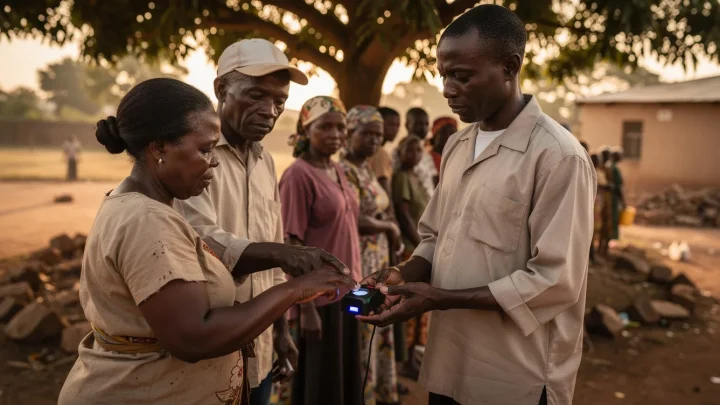
Citizens are not just spectators. Check that your name is on the register and your details are right. Ask INEC questions, in writing if you must, including a Freedom of Information request on how it will clean the register.
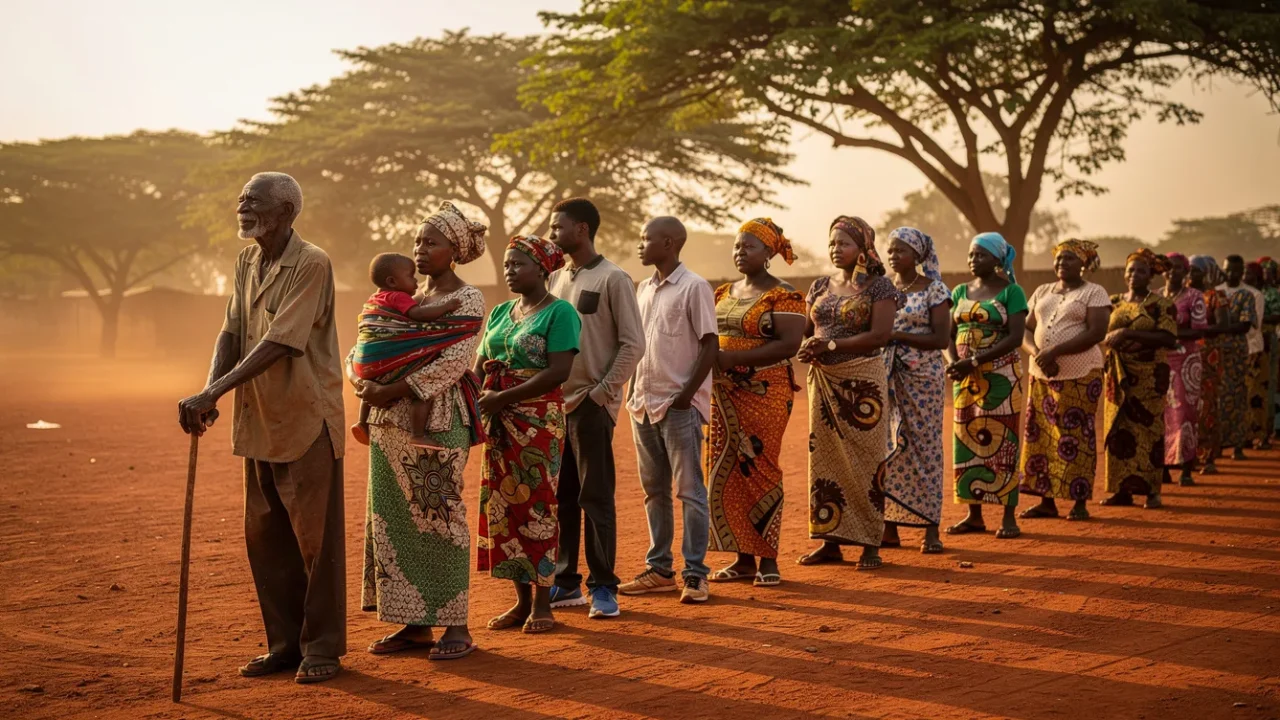
Turn up and vote. Join a community group that watches polling units. Refuse to be used for violence, and speak up peacefully when others are. A country is only as safe as its ballot. We keep it safe together.
What you can do
Change starts with citizens who show up. Here is how you can act on this story:
- Check that your name is on INEC's voters' register and that your details are right.
- Write to INEC, or use a Freedom of Information request, to ask how it will clean the register and protect results.
- Join a peaceful community or civic group that observes elections, and refuse to take part in thuggery.
What would do most to make the 2027 election credible?
Tap to vote and see what other readers think.
Based on reporting by: Rigging 2027 Election Could Lead To Civil War In Nigeria, Olawepo-Hashim Warns (Leadership Newspapers); 2027 polls: Rigging could push Nigeria into civil war — Gbenga Hashim (Businessday NG); 2027: 'You already control 36 states' - Adeyanju challenges Tinubu over violent attacks on opposition (Daily Post Nigeria); Why 2027 election will be different from others – Sam Amadi (Daily Post Nigeria); Why political violence threatens 2027 electoral credibility (The ICIR)
Newsletter
Get stories like this every morning.
Nigeria's politics and public life, explained plainly. Choose every morning or once a week. Free, and you can leave any time.
Spotted an error? Tell us and we will correct it. Read our editorial standards.
Found this useful? Share it with someone who should read it.