Key points
- INEC has listed 17,656 polling units in all 36 states and the FCT for a mock BVAS and result upload test on Saturday, November 28, from 8:30am to 2:30pm.
- The plan is two polling units in each of the 8,838 Registration Areas, but that should give 17,676, so the list is 20 short.
- INEC says the test will check BVAS, accreditation steps and technical problems before the 2027 elections.
- The announcement does not say whether INEC will publish the findings. Citizens can ask, and can use the FOI Act.
The Independent National Electoral Commission (INEC) has named 17,656 polling units across the 36 states and the Federal Capital Territory for a nationwide mock test of its election machines. It will hold the test on Saturday, November 28, from 8:30am to 2:30pm.
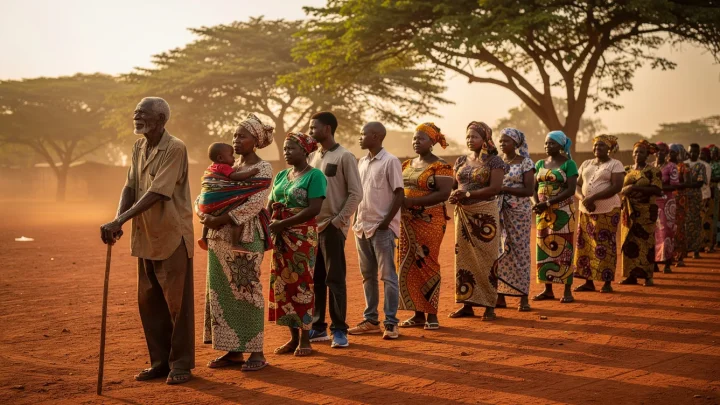
The test covers voter accreditation and the upload of results. If you have ever queued in the sun to vote, then waited anxiously to see if your result was counted right, this is the part of the process that touches you.
Two polling units in every Registration Area
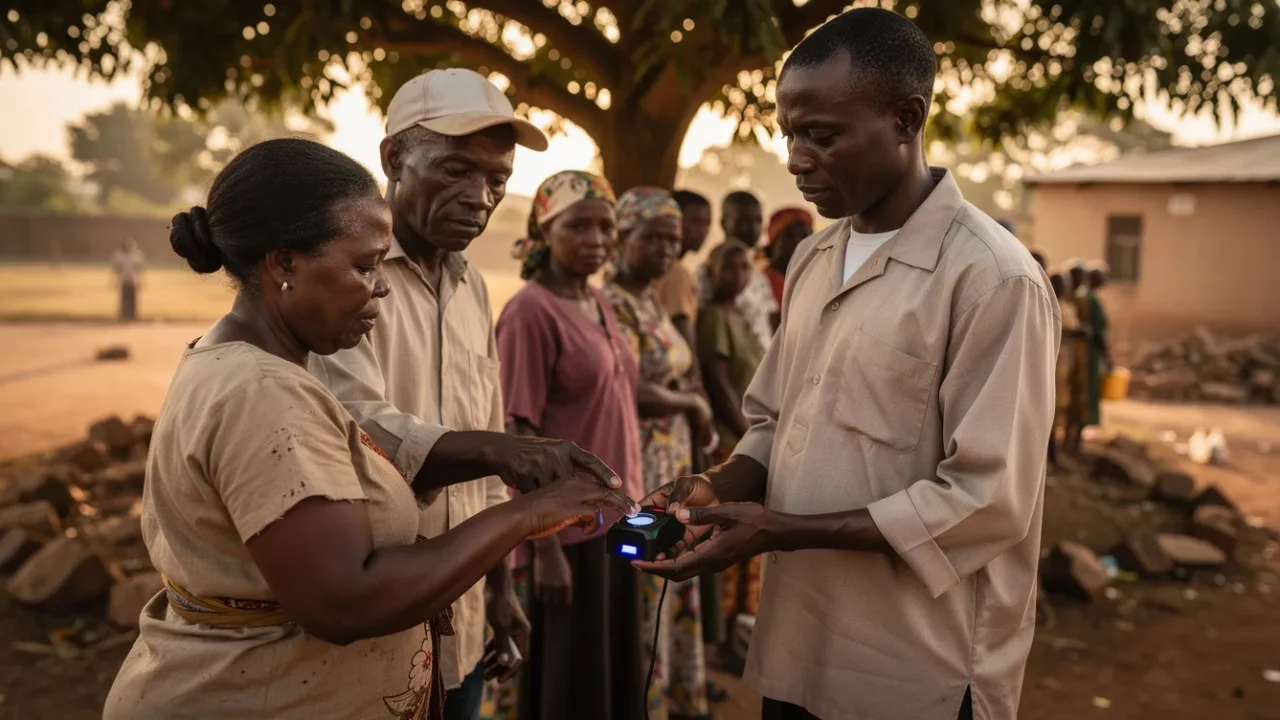
INEC announced the test on its official X page. It said the exercise would check how the Bimodal Voter Accreditation System, known as BVAS, works. It would also look at accreditation steps and find technical problems before the 2027 general elections.
The plan is simple. INEC will use two polling units in each of the country’s 8,838 Registration Areas. A mock exercise is a rehearsal, so it is a chance to find faults before the real day.
INEC has also published the full list of selected polling units. It shows the state, local government area, ward, polling unit name and identification code for each one. That is a good step. Anyone can check whether their own polling unit is on it.
The 20 units that are missing
Do the sum. Two units for each of 8,838 Registration Areas should give 17,676. The list has 17,656. That is 20 fewer.
There may be a simple reason. But we have not seen INEC explain it. In an exercise meant to build trust, small gaps in the numbers should be explained early, in plain words.
Where the machines will be tested
Because the plan is two units per Registration Area, states with more areas get more units. Kano has the most with 968. Katsina has 718 and Oyo has 702. Osun has 664, Akwa Ibom 658, Anambra 652 and Rivers 638.
At the other end, the FCT has 124. Bayelsa has 210 and Gombe has 228.
By zone, the North-West has 4,002 units, which is 22.7 per cent of the total. The South-West has 3,088 and the South-South has 2,874. The North-Central has 2,785, the South-East 2,489 and the North-East 2,418.
Put together, the three northern zones have 9,205 units, or 52.1 per cent. The southern zones have 8,451, or 47.9 per cent. Every zone is in the test. That matters, because a machine that works in a city with good network may fail in a far-away village.
Will we see what the test finds?
INEC says the exercise will help it find gaps in its election technology. That is the right goal. Nobody should want to discover a problem for the first time on election day.
But the announcement does not say whether INEC will publish the findings. This is the key question. A test that stays inside the commission may help INEC. A test whose results are shared can help every voter.
Many Nigerians still remember the arguments over result uploads in the last general elections. Some people lost faith in the process. Trust is not rebuilt by promises. It is rebuilt by showing the numbers.
In our view, INEC should say, soon after the test, how many machines worked and how many failed. It should say how many results uploaded and how long it took. It should also say what it will fix, and by when. If the news is bad in some places, better to know now.
Fairness cuts both ways. A mock test that finds faults is a success, not a failure. A commission that reports its problems honestly deserves credit for it.
What you can do before Saturday
Start with the list. Look up your state, local government area and ward. If your polling unit is there, you will be part of the rehearsal. If you live nearby, ask local election officials what is happening.
After the test, ask INEC for the results. You can write to the commission, or contact your state’s INEC office. The Freedom of Information Act lets any citizen request public records, and INEC is a public body. Civic groups and election observers can help you ask, and they often publish what they learn.
Above all, make sure you are ready for 2027. Check that you are registered and that your voter card is safe. Good machines matter. But they work best when many informed citizens are watching, asking questions and turning up to vote.
What you can do
Change starts with citizens who show up. Here is how you can act on this story:
- Find your polling unit on INEC's published list and see if it is part of the test.
- Write to INEC or use a Freedom of Information request to ask for the mock test results.
- Check that you are registered to vote, and join a civic or election observer group in your area.
Should INEC publish the full results of the BVAS mock test?
Tap to vote and see what other readers think.
Based on reporting by: 2027: INEC Lists 17,656 Polling Units for BVAS Mock Exercise (Daily Trust)
Newsletter
Get stories like this every morning.
Nigeria's politics and public life, explained plainly. Choose every morning or once a week. Free, and you can leave any time.
Spotted an error? Tell us and we will correct it. Read our editorial standards.
Found this useful? Share it with someone who should read it.