Key points
- Vice President Kashim Shettima asked the fertiliser industry to supply three million bags before dry-season planting passes.
- The industry says raw materials are already in warehouses, so this is about using idle plants, not building new ones.
- Government plans to buy directly from Nigerian blenders, and the National Security Adviser's office will track declared stocks.
- Farmers in areas with insecurity must not be left out, and the money must last beyond one season.
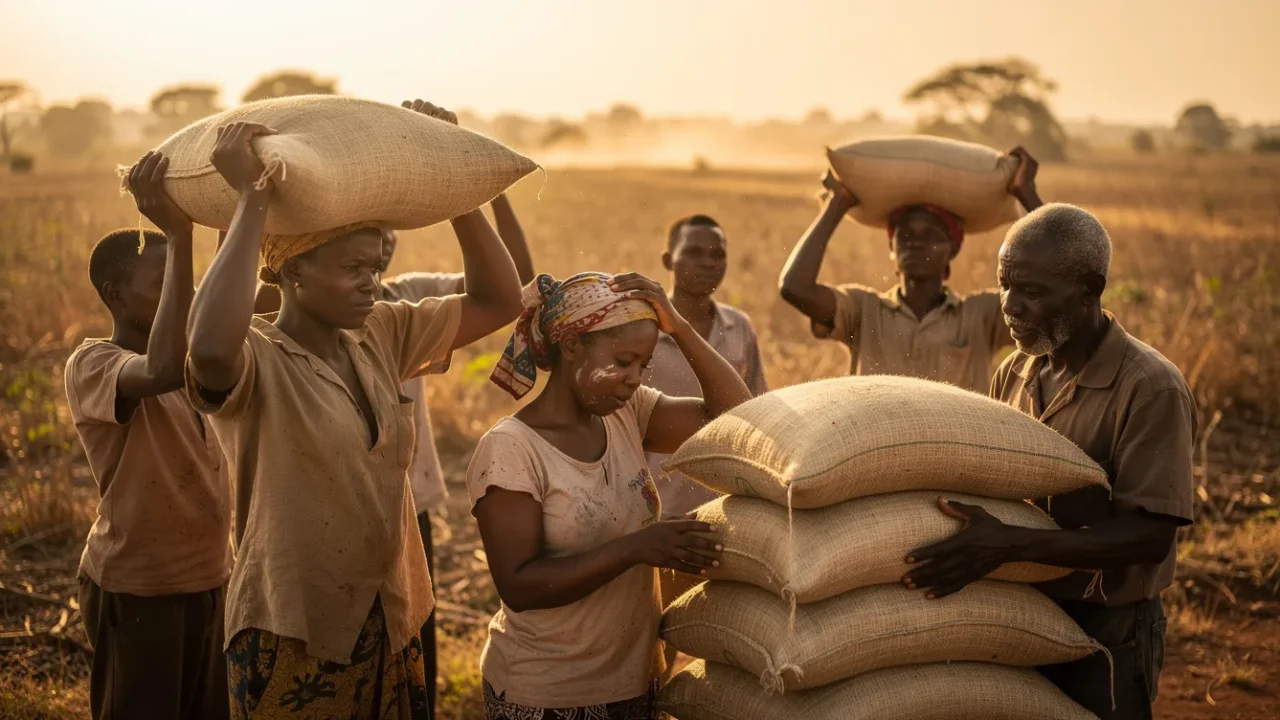
On Monday, at the Presidential Villa in Abuja, Vice President Kashim Shettima gave the fertiliser industry a clear order: move fast. The target is three million bags, and the aim is to get them to farmers before dry-season planting slips away.
Why should you care, even if you have never held a hoe? Fertiliser is part of what you pay for garri, rice, maize and tomatoes. When a farmer pays more for a bag, the trader and the family at home pay more too.
The raw materials are in the warehouses
President Tinubu has approved money under the Renewed Hope Agricultural Stabilisation and Productivity Initiative. The name is long. The idea is simple.
The Fertiliser Producers and Suppliers Association of Nigeria, FEPSAN, told the Vice President that the raw materials are already in warehouses. They can produce about 148,000 metric tonnes of NPK 20-10-10 within weeks. That comes to about three million bags.
FEPSAN president Alhaji Abubakar Sadiq Kassim said the industry could even reach 3.5 million bags in the time set. That would happen once 29,000 tonnes of finished stock starts moving too.
The Ministry of Finance Incorporated also has 90,000 tonnes on the ground, plus goods on the way. Together, that brings its total to about 248,000 tonnes. Minister of Budget and Economic Planning Abubakar Atiku Bagudu called the 496,000 tonnes of stock identified a reasonable starting point.
Plants working below capacity
Here is the line that should make us pause. Kassim said many blending plants in Nigeria are working below capacity. This is happening just as farmers struggle with fertiliser prices that keep rising.
In our view, that is the real story. Nigeria has the plants. It has warehouses, agro-dealers and transporters. Yet farmers still pay dearly for a bag that home industry can make closer to them.
Mr Shettima also pointed to jobs. He said a strong fertiliser chain supports hundreds of thousands of direct and indirect jobs. Think of factory workers, drivers, warehouse staff and the agro-dealer in your local market.
No middlemen, and a trail to follow
Government says President Tinubu will buy fertiliser directly from Nigerian blending companies. It will then be made available to farmers at affordable prices. Fewer hands in the chain means fewer places for a subsidy to go missing.
Nigerians know the old stories. Fertiliser is declared on paper, then it vanishes between the warehouse and the farm gate. Some is resold. Some never existed.
This time, Mr Shettima directed the Office of the National Security Adviser to verify and track the stocks that industry players have declared. It is a little odd for a security office to count fertiliser. But if it gives us a clear trail from declared stock to delivered bag, it will be worth it.
One question is still open. The promise is affordable prices. Farmers will want to know what that means in naira, and where they can collect their bags.
Will it reach Zamfara and Benue?
The Vice President said farming communities in states facing security challenges must not be neglected. He said the help should reach vulnerable and hard-to-access areas.
That matters a great deal. Many of the farmlands that could feed the country, in parts of the North-West and North-Central, face banditry and insurgency. Moving goods there is risky. It is easy for a plan to quietly skip those places because the roads are hard.
A national programme has to be national. A farmer in Zamfara, Benue or Taraba deserves the same chance at a bag as a farmer near a good road.
One season, or a lasting plan?
Mr Bagudu did not pretend this solves the fertiliser price problem in one dry season. He spoke of working with industry to find more money to keep the effort going beyond this directive.
That sounds dull, but it is the heart of the matter. Nigerians have seen many farm programmes announced loudly, run briefly, then dropped when the news moves on.
Watch the delivery, not the briefing.
The industry has said it can make the fertiliser. The test now is the chain after the factory gate. Will the bags move in time? Will the tracking catch diversion before it happens, and not after? Will the smallest farmers get their share?
Ordinary Nigerians are not just watching. You can ask your local government agriculture office when and where the bags will be sold. You can join your farmers’ cooperative and ask for its share to be listed in public. You can also write to your lawmaker, or file a Freedom of Information request, asking for the delivery list. When citizens ask, those who carry the bags tend to take more care.
What you can do
Change starts with citizens who show up. Here is how you can act on this story:
- Ask your local government agriculture office when and where subsidised fertiliser will be sold.
- Join or support a farmers' cooperative so members can track deliveries and prices together.
- Write to your lawmaker or file a Freedom of Information request asking for the list of states and quantities delivered.
What would most help you believe this fertiliser plan is working?
Tap to vote and see what other readers think.
Based on reporting by: Three Million Fertiliser Bags, One Real Test (Leadership Newspapers)
Newsletter
Get stories like this every morning.
Nigeria's politics and public life, explained plainly. Choose every morning or once a week. Free, and you can leave any time.
Spotted an error? Tell us and we will correct it. Read our editorial standards.
Found this useful? Share it with someone who should read it.