Key points
- President Tinubu asked the House of Representatives to approve a revised 2026 budget of N65.176tn, down from N68.323tn.
- Revenue is put at N33.720tn, so the deficit stays at N31.457tn, or 5.64 per cent of GDP.
- New borrowing stays at N29.218tn: N18.428tn from home and N10.790tn from abroad.
- Part of the money will settle old bills, including NNPC spending, debt service and refunds to agencies.
- The bill is not yet passed. Citizens can contact their Reps members and track projects.
President Bola Tinubu has asked the House of Representatives to approve a smaller 2026 budget of N65.176tn. His letter was read on the floor in Abuja on Tuesday by the Speaker, Tajudeen Abbas.
The new figure is N3.15tn less than the N68.323tn first approved. If you pay tax, buy fuel or wait for a road to be finished, one question matters most: will this budget actually be carried out?
A smaller budget, the same big gap
Tinubu sent a bill to repeal and re-enact the 2026 Appropriation Act, together with a revised fiscal plan. He said the changes would line up the budget with what government already owes and the money it has.
The plan sets aside N26.232tn for capital spending. That is the money for roads, projects and equipment.
He said most capital provisions for ministries, departments and agencies are amounts already approved for release. A few new capital and overhead items were added as priority interventions.
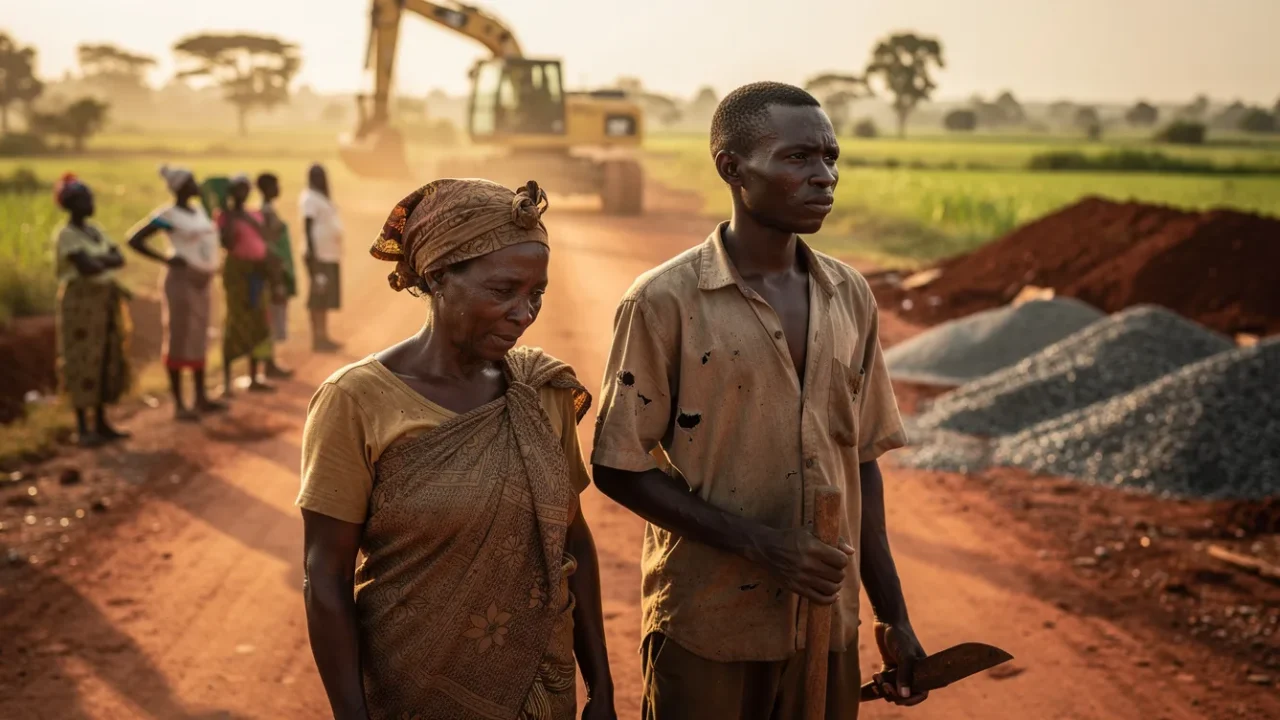
He listed them: finishing critical road projects, protecting farm production, cutting production costs, improving farm yields, helping farmers reach markets, and tackling water vulnerability.
For a farmer in Kebbi or a trader moving goods on a bad road, those are the items that touch daily life.
Clearing old bills
A good part of the revision is about money already spent or owed. Tinubu said it would regularise some expenses the Nigerian National Petroleum Company Limited paid on behalf of the Federation.
It would also cover debt payments that the first budget did not provide enough for. And it would recognise capital warrants already issued and supplementation commitments.
There is also provision for refunds to ministries, departments and agencies, and to special accounts.
In plain words, this is partly house-cleaning. Some of the budget puts on paper what government has already committed to. That may be honest accounting. But it also means less brand-new spending that citizens will see.
Who pays for it?
Government expects to earn N33.720tn, including money from its own enterprises. Spending is N65.176tn. The gap, the fiscal deficit, stays at N31.457tn. That is 5.64 per cent of the Gross Domestic Product, the value of everything the country produces.
So nearly half of what government plans to spend is not covered by what it expects to earn.
The plan is to borrow. New borrowing stays at N29.218tn. Of this, N18.428tn will come from domestic lenders and N10.790tn from abroad.
Tinubu said the proposed $7.7bn external borrowing, about N10.368tn at N1,346.50 to the dollar, is meant to fund the foreign borrowing already in the budget. He said it would not raise the total borrowing.
That is worth saying clearly: the borrowing has not gone up. But it has not come down either.
Loans are paid back from future revenue, and that means future taxpayers. The fact that this revision had to find more money for debt payments shows how much of the budget goes to old loans.
Will this one be carried out?
Many Nigerians have seen budgets passed with great noise and then watched projects stall. Roads are left half-done. Money promised for clinics and schools arrives late, or not at all.
Tinubu seems to know this. He said the changes are meant to put existing commitments first, improve the credibility and execution of the capital budget, and keep fiscal restraint.
In our view, a smaller budget that government can really pay for is better than a bigger one that exists only on paper. Cutting N3.15tn to match what is available is a step in that direction, and it deserves credit.
But a budget is only as good as the money released and the projects finished. A lower number does not guarantee that. The real test will be what ministries, departments and agencies actually deliver before the year ends.
The President has asked lawmakers for quick passage so the revised budget can be carried out in an orderly way and outstanding obligations settled. The bill is still before the House. It has not been passed.
That gives the public a window. Lawmakers can ask hard questions about each line before they vote, and they should be seen to ask them.
What you can do
Budgets feel far away, but you have a say. Find out who your Reps member is and write or call. Ask what is in the revised budget for your constituency, especially roads, farm support and water.
Follow committee hearings when they open to the public. Join a community or civic group that tracks projects. If a project is promised near you, ask for its details, and use a Freedom of Information request if the answer is not given.
Then watch whether the work is done. A budget becomes real when citizens keep asking about it, in a calm and peaceful way.
What you can do
Change starts with citizens who show up. Here is how you can act on this story:
- Find out who represents you in the House of Representatives and ask what the revised budget holds for your area.
- Attend or follow public budget hearings and ask questions about roads, farm support and water projects near you.
- Join a community group to track one local project, and use a Freedom of Information request if details are not shared.
What would make you trust the revised 2026 budget will be carried out?
Tap to vote and see what other readers think.
Based on reporting by: Tinubu seeks Reps’ approval for N65.17tn revised 2026 Budget (Vanguard News)
Newsletter
Get stories like this every morning.
Nigeria's politics and public life, explained plainly. Choose every morning or once a week. Free, and you can leave any time.
Spotted an error? Tell us and we will correct it. Read our editorial standards.
Found this useful? Share it with someone who should read it.