Key points
- Forex trading hit $4.67bn in the week to November 20, but the CBN's $1.30bn intervention was not enough.
- The naira fell 2.50 per cent to N1,394 per dollar, its weakest close in eight months.
- Analysts expect dollar pressure to last to the end of 2026, with election worries and festive imports in play.
- A weaker naira can push up the cost of imported goods, and fuel and school fees may feel it too.
- Selling dollars only buys time. Lasting answers need steady policy and more made and exported at home.
The naira had a rough week. It closed on Friday, November 20, at N1,394 to the dollar, down from N1,360 on Monday.
People wanted more dollars than the Central Bank of Nigeria (CBN) put on the market. For anyone who buys imported goods, pays school fees or fills a tank, that matters.
A week when the naira lost 2.50 per cent
Trading in the foreign exchange market was heavy. The market handled $4.67 billion in the week ended November 20, up from $3.42 billion the week before. That is a rise of 36.59 per cent.
It was the second-highest weekly total recorded in 2026. The CBN’s reported intervention was $1.30 billion. That was not enough to meet demand.
The naira lost 2.50 per cent at the official market. It was the weakest close in eight months. In the parallel market, the naira lost 2.33 per cent and settled at N1,458 per dollar.
Traders are also betting on more weakness ahead. The one-year forward rate fell to N1,597.57 to the dollar.
From the dollar rate to your daily bills
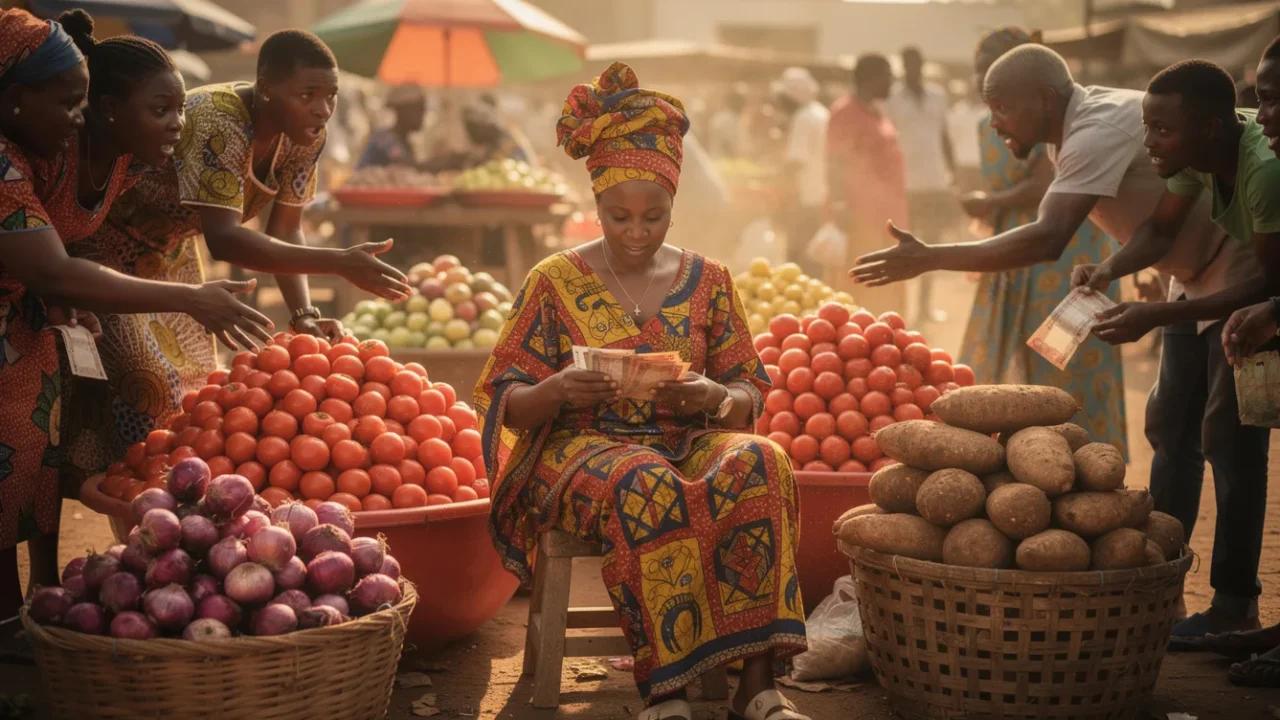
Most of us do not trade dollars. But the dollar touches many things we buy.
This part is my own view, not a finding from the market data. When the naira weakens, importers need more naira to buy the same goods abroad. Many pass that cost on to customers.
Think of a trader in Aba who stocks imported spare parts, or a shop in Kano that sells imported provisions. Their costs rise when the dollar rate rises. Shoppers can end up paying more.
Food can feel it as well. Farmers and food sellers often rely on imported inputs, and transport costs follow fuel prices. Fuel prices can move with the dollar because crude oil is priced in dollars.
School fees are another worry. Families with children abroad feel it first. Schools that buy imported books and equipment may also pass on higher costs.
Nobody can say exactly how much prices will rise. But a falling naira rarely makes life cheaper.
Why the dollars are short, and what could bring them in
Market analysts said steady demand from foreign portfolio investors was greater than the CBN’s dollar sales. Cordros Securities expects the pressure to continue until the end of 2026.
It gave two reasons. Fewer dollars are coming into the country, and investors are cautious ahead of the 2027 general elections.
Tajudeen Olayinka, chief executive of Wyoming Capital Partners, said politics is part of the picture. “Foreign portfolio investors are equally concerned about the possibility of a return to populist economic policies,” he said. He explained that when investors see policy risk, they hold back their money. That means fewer dollars flowing in.
There is some good news. The Dangote Refinery public offer drew orders worth nearly $4.5 billion from foreign investors. Olayinka said conversions by foreign buyers could add to dollar supply.
But he warned that investors pulling out, and higher import demand in the festive season, could cancel out those gains. He also said a breakdown by sector would be needed to know what is really driving the trading.
Nigeria’s gross external reserves fell by $211.92 million to $54.65 billion as of November 19. Cordros said the reserves are still enough to support more CBN intervention. Olayinka noted that paying external debt also draws on reserves.
Selling dollars is not a plan on its own
The CBN usually steps in when demand and supply are out of balance, Olayinka said. That is its job, and it can calm a market for a while.
But reserves are not endless. In my view, selling dollars is like paying for a leaking roof with buckets. It helps today, but the leak is still there.
The data does not show a full plan beyond intervention. The CBN’s Monetary Policy Committee was due to meet on November 23 and 24. Its decision was not known when this was written, and the story is still developing.
The lasting fixes are well known, and they apply to any government at any level. Keep economic policy steady, so investors know what to expect. Make it easier to produce and export at home, so more dollars come in than go out.
Politicians of every party should say plainly how they would protect the naira. Voters should expect that.
What you can do
You do not have to be an economist to take part. Follow what the Monetary Policy Committee decides, and ask your lawmakers what they are doing about prices.
Attend budget hearings in your state or local government. Use the Freedom of Information Act to ask how public money is spent.
Register to vote, collect your voter card, and ask every candidate in 2027 how they will strengthen the naira. When citizens ask clear questions, leaders pay attention.
What you can do
Change starts with citizens who show up. Here is how you can act on this story:
- Ask your lawmaker in writing what they are doing about prices and the naira.
- Attend a budget hearing in your state or local government and ask how money is being spent.
- Register to vote, collect your PVC and ask 2027 candidates how they will protect the naira.
What should be the top priority to steady the naira?
Tap to vote and see what other readers think.
Based on reporting by: Forex Demand Outpaces CBN’s $1.30bn Intervention As Naira Weakens (Leadership Newspapers)
Newsletter
Get stories like this every morning.
Nigeria's politics and public life, explained plainly. Choose every morning or once a week. Free, and you can leave any time.
Spotted an error? Tell us and we will correct it. Read our editorial standards.
Found this useful? Share it with someone who should read it.