Key points
- Nigeria recorded 64,000 new HIV infections and 32,000 AIDS-related deaths in 2025, down from 130,000 and 80,000 in 2010.
- Only 80 per cent of people living with HIV know their status, short of the 95 per cent target.
- Of those diagnosed, 98 per cent are on treatment, and 94 per cent of those on treatment have the virus under control.
- NACA wants states and the country to pay more for HIV services, so Nigeria does not depend on foreign money.
- Stigma still keeps some people away from clinics, and the law against discrimination must be enforced.
Nigeria recorded 64,000 new HIV infections and 32,000 AIDS-related deaths in 2025. The head of the National Agency for the Control of AIDS (NACA), Dr Temitope Ilori, gave the figures on Monday at a press briefing in Abuja.
The numbers are lower than they used to be. But one in five Nigerians living with HIV still does not know it. That matters to every family, because a person who is tested early can start treatment and stay healthy.
Down by half, but not low enough
The agency says yearly AIDS deaths have dropped by 60 per cent, from 80,000 in 2010 to 32,000 in 2025. New infections fell by more than 50 per cent, from 130,000 to 64,000.
The share of Nigerians living with HIV has also come down. It stood at 5.8 per cent at its peak in 2001. It is now 1.3 per cent.
Ilori credited more access to HIV services, better treatment coverage and steady work by government and its development partners.
That is real progress, and it deserves to be said plainly. Behind those figures are parents who lived to see their children grow.
Still, 32,000 deaths in one year is 32,000 families in mourning. Nigeria is also short of the global 95-95-95 targets. These ask that 95 per cent of people with HIV know their status, 95 per cent of those diagnosed get treatment, and 95 per cent of those on treatment have the virus under control.
Look at how Nigeria did in 2025. The treatment step is already beaten, with 98 per cent of those diagnosed on drugs. The third step is close, at 94 per cent. The first step is the problem. Only 80 per cent know their status.
The people nobody has found yet
That is the heart of the matter. You cannot treat someone you have not found. Ilori said 20 per cent of people living with HIV in Nigeria remain unaware of their status.
She said the figures show progress in finding people and linking them to treatment. But she added a warning.
“However, the gaps in diagnosis and treatment remind us that more work is required to ensure that everyone knows their status and has uninterrupted access to lifesaving treatment.”
To reach these people, NACA is leaning on community-led testing, HIV self-testing and targeted outreach. It also wants wider use of pre-exposure prophylaxis, a medicine that helps people avoid catching HIV.
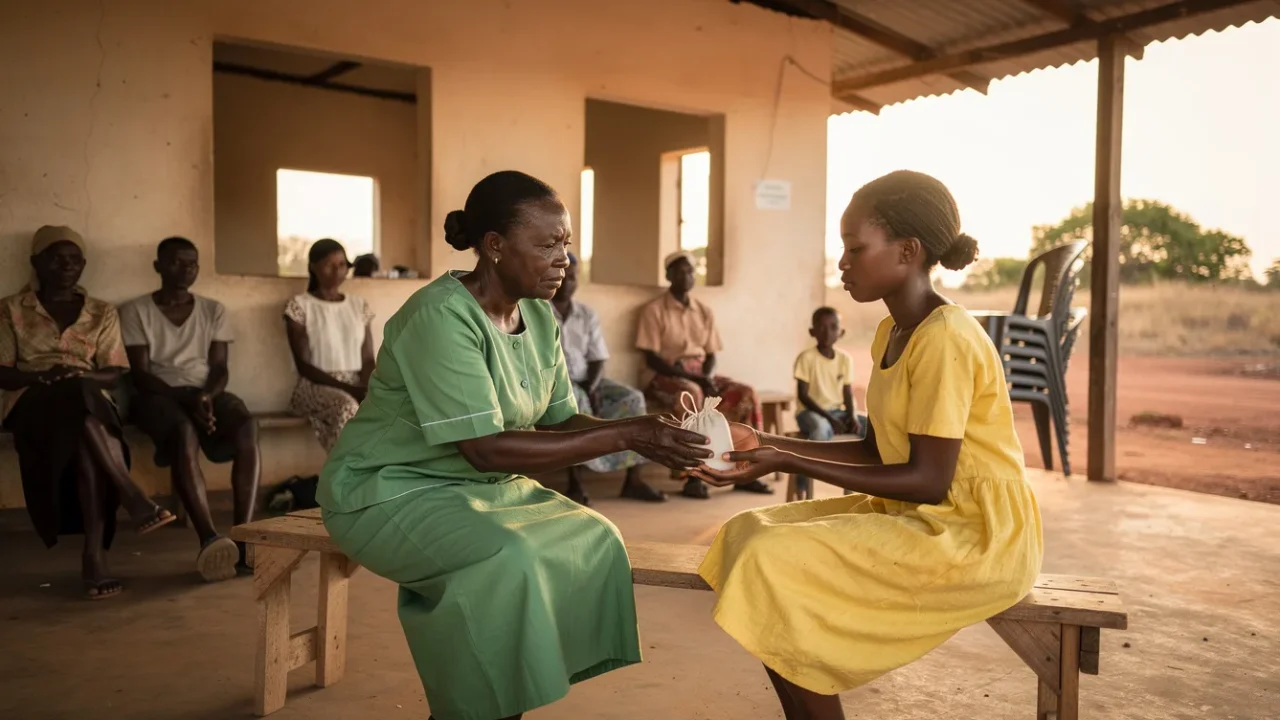
Self-testing could matter a lot for a young person who does not want to be seen walking into a clinic. It could also help a trader in a town far from any hospital.
There is good news for babies too. Early testing for infants born to mothers with HIV rose from 15 per cent in 2022 to 66 per cent in 2025. Ilori said this followed more HIV screening during routine antenatal care in all six geopolitical zones.
But 34 per cent of those babies still have not been tested. Each one is a child who could be protected if the gap is closed.
Stigma keeps people away
Testing is not only about kits and clinics. Ilori said stigma and discrimination still stop some Nigerians from seeking healthcare. If you fear your neighbours will whisper, you may choose not to know.
She called for the HIV and AIDS (Anti-Discrimination) Act to be enforced. She also urged Nigerians to know their status, support people living with HIV and reject all forms of discrimination.
This is something every one of us can act on. It costs nothing to treat a neighbour, a colleague or a relative with respect.
Who will pay for the drugs?
Many Nigerians will ask a simple question. Will treatment stay within reach of ordinary people? The briefing details available do not say what patients pay. That is a fair question for the health ministry and for state governments to answer clearly.
What Ilori did say is that Nigeria cannot depend only on money from outside. She warned that global health funding is changing. She called for stronger domestic financing of the HIV response.
She also urged state governments to put up their own counterpart funding. And she wants HIV prevention, testing and treatment built into primary healthcare and national health insurance.
The agency has a National HIV Prevention Plan. It is also preparing a plan to raise and sustain home-grown money for HIV for 2026 to 2030, which Ilori said would be unveiled on December 1, World AIDS Day.
In our view, this is where the real test lies. A plan on paper helps nobody. What counts is whether the drugs, test kits and trained health workers are at the local clinic when a patient arrives.
That depends on budgets. Health budgets are decided by people we elect, at federal, state and local levels. It is fair to hold all of them to the same standard.
The theme for this year’s World AIDS Day is “Ending AIDS Starts with Access: Equity, Ownership, and Sustainability.” Ilori said services must be guaranteed for all Nigerians, whatever their location, gender or income.
What you can do
Nigeria has shown it can bring numbers down. The last stretch is the hardest, and it needs all of us.
Get tested, and encourage your partner and family to do the same. Ask your state lawmaker or local government councillor what is set aside for HIV and primary health centres. Go to budget hearings if you can. Join a community group that supports people living with HIV, and speak up peacefully when someone is treated unfairly.
Ending AIDS by 2030 is not a job for NACA alone. It starts with a test, a kind word and a question to those we elect.
What you can do
Change starts with citizens who show up. Here is how you can act on this story:
- Get an HIV test at a clinic or with a self-test kit, and encourage your family and friends to do the same.
- Ask your state lawmaker or local councillor how much is budgeted for HIV and primary health centres, and attend budget hearings if you can.
- Treat people living with HIV with respect, and speak up peacefully when you see discrimination.
What would do most to help Nigeria reach people who have not been tested for HIV?
Tap to vote and see what other readers think.
Based on reporting by: Nigeria Records 64,000 New HIV Infections, 32,000 AIDS-Related Deaths In 2025 (Leadership Newspapers); NACA seeks wider HIV testing to meet 2030 AIDS elimination target (Punch Newspapers)
Newsletter
Get stories like this every morning.
Nigeria's politics and public life, explained plainly. Choose every morning or once a week. Free, and you can leave any time.
Spotted an error? Tell us and we will correct it. Read our editorial standards.
Found this useful? Share it with someone who should read it.