Key points
- 29 people died in a boat accident near Oweikorogha, Southern Ijaw, Bayelsa, on Friday, November 20, 2026.
- Questions are growing over N844m budgeted for boat purchases and whether safe public water transport exists.
- A budget line is only a plan. Only public records can show what was bought and where the boats are.
- PANDEF wants roads and bridges for coastal communities, and seaworthy vessels and stricter safety rules in the meantime.
- Citizens can use budget hearings, lawmakers and Freedom of Information requests to ask for answers.
Twenty-nine people are dead after a boat accident in Bayelsa State. Families in Southern Ijaw are mourning, and many Nigerians are asking a hard question: where is the money that was meant for safe boats?
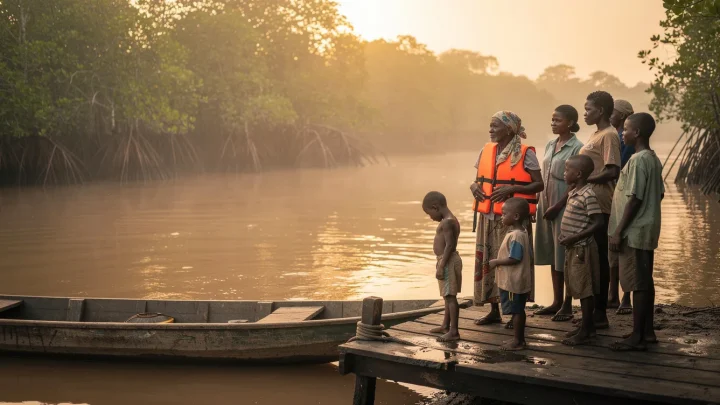
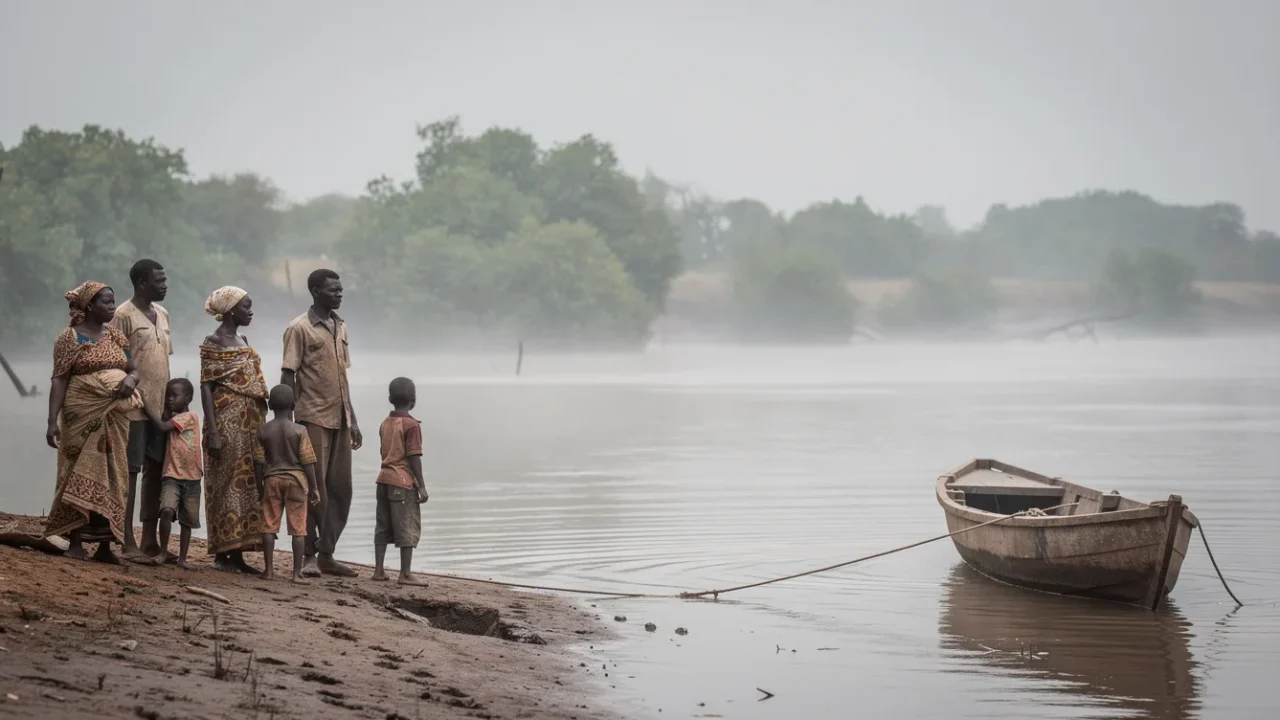
The accident happened on Friday, November 20, 2026, around Oweikorogha Community in Southern Ijaw Local Government Area. Youths and children were among those reported dead. For many families in the creeks, the river is the only road they have.
The N844m question
At the centre of the debate is a sum of N844m. That money was budgeted for boat purchases in Bayelsa, and questions are now mounting over how the state has spent on marine vessels, where those vessels are deployed, and whether safe public water transport exists at all.
We should be fair here. A budget line is a plan to spend, not proof that money was spent. Funds may have been released in full, in part, or not at all. Boats may have been bought and put to use, or they may be sitting idle somewhere. The facts we have do not settle that.
That is exactly why the questions matter. The answers are not a matter of opinion. They sit in public records: what was approved, what was released, what was bought, and where those boats are today.
Many of us have seen this before, in every state and under every party. A big figure appears in the budget. Years later, nobody can point to the project. When lives are lost, the silence becomes painful.
A river that is also a road
The Pan Niger Delta Forum, PANDEF, has also spoken. In a statement signed by its National Chairman, Ambassador Godknows Igali, the group said it received the news with shock and sadness. It called the accident heartbreaking.
PANDEF said poor roads have left many coastal communities with few choices, so water travel is a necessity for their people. The group asked the Federal Government and oil-producing states to build roads and bridges that link these isolated communities.
Roads and bridges take years, though. So PANDEF also asked for an interim step: that the Federal Government help state governments buy enough seaworthy vessels for coastal communities.
The group also urged tougher enforcement of water transport safety rules. It named passenger safety protocols, proper safety equipment, and vessels that meet set seaworthiness standards.
It asked emergency relief agencies, security agencies and regulators to work with the Bayelsa State Government to help survivors and bereaved families. Its statement said they must also “take all necessary measures to prevent a recurrence of such tragedies.”
The sources we have do not state what caused the accident. That is still a question for the proper authorities to answer, and we will not guess.
Who answers for this?
Here is our view. Safe river transport is not the job of one office. The state government plans and spends. The House of Assembly approves the budget and is meant to check how it is used. Regulators are meant to inspect boats and enforce safety rules. The Federal Government has a role on roads, bridges and waterways.
When everyone owns a problem, it is easy for no one to be blamed. Accountability should be simple. Government should say plainly what was budgeted, what was released, what was bought, and who is in charge of making sure boats are safe.
This standard is not about one party or one governor. It should apply to every state and every level of government. A mother in a creek community deserves the same safety as a commuter on a Lagos bridge.
There is also something to credit. The questions are being asked in the open, and a regional group is pushing for roads, safer vessels and enforcement. Public pressure is how budgets turn into boats.
What ordinary people can do
You do not need to live in Bayelsa to take part. Citizens can read the state budget, which is a public document. They can ask their lawmakers to explain boat spending, and attend budget hearings and town halls to ask the same.
The Freedom of Information Act lets any Nigerian ask a public body for records. A simple, polite request can ask how much was released for boats, what was bought, and where those boats are working.
Community groups, youth associations and market unions can also keep a record of promises and follow up together. Where people travel by water, they can insist on life jackets and no overloading, calmly and without fear.
Twenty-nine lives cannot be brought back. But a country that asks questions and keeps asking them can make sure the next family does not have to bury a loved one from the river.
What you can do
Change starts with citizens who show up. Here is how you can act on this story:
- Read your state's budget and ask your lawmaker in writing what was spent on safety, roads or boats.
- Send a polite Freedom of Information request asking what was bought, where it is, and who is responsible.
- Join a community or civic group that attends budget hearings and tracks promises until they are kept.
What should be the first priority to prevent more boat deaths in riverine communities?
Tap to vote and see what other readers think.
Based on reporting by: Bayelsa boat tragedy exposes questions over N844m budgeted for boat purchases (Premium Times Nigeria); PANDEF mourns Bayelsa boat accident victims, urges coastal roads (Vanguard News)
Newsletter
Get stories like this every morning.
Nigeria's politics and public life, explained plainly. Choose every morning or once a week. Free, and you can leave any time.
Spotted an error? Tell us and we will correct it. Read our editorial standards.
Found this useful? Share it with someone who should read it.