Key points
- President Tinubu wants the 2026 budget cut by N2.2trn, from N68.3trn to N66.1trn.
- The deficit stays at N31.4trn, and new borrowing stays at about N29.2trn.
- Revenue is projected at N33.7trn, about half of planned spending.
- The proposal does not say which projects or services lose money, so Nigerians should ask.
- The Senate must approve the changes before they take effect.
President Bola Tinubu has asked the Senate to cut the 2026 national budget by N2.2 trillion. If senators agree, total spending falls from N68.3 trillion to N66.1 trillion.
Tinubu signed the budget into law on April 17, 2026. Now he wants it changed. Whatever the Senate decides will shape roads, schools, hospitals and the debt Nigerians will carry.
A new bill, a new plan
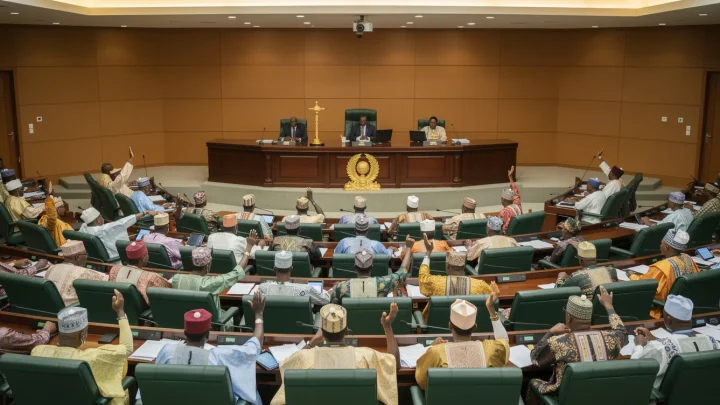
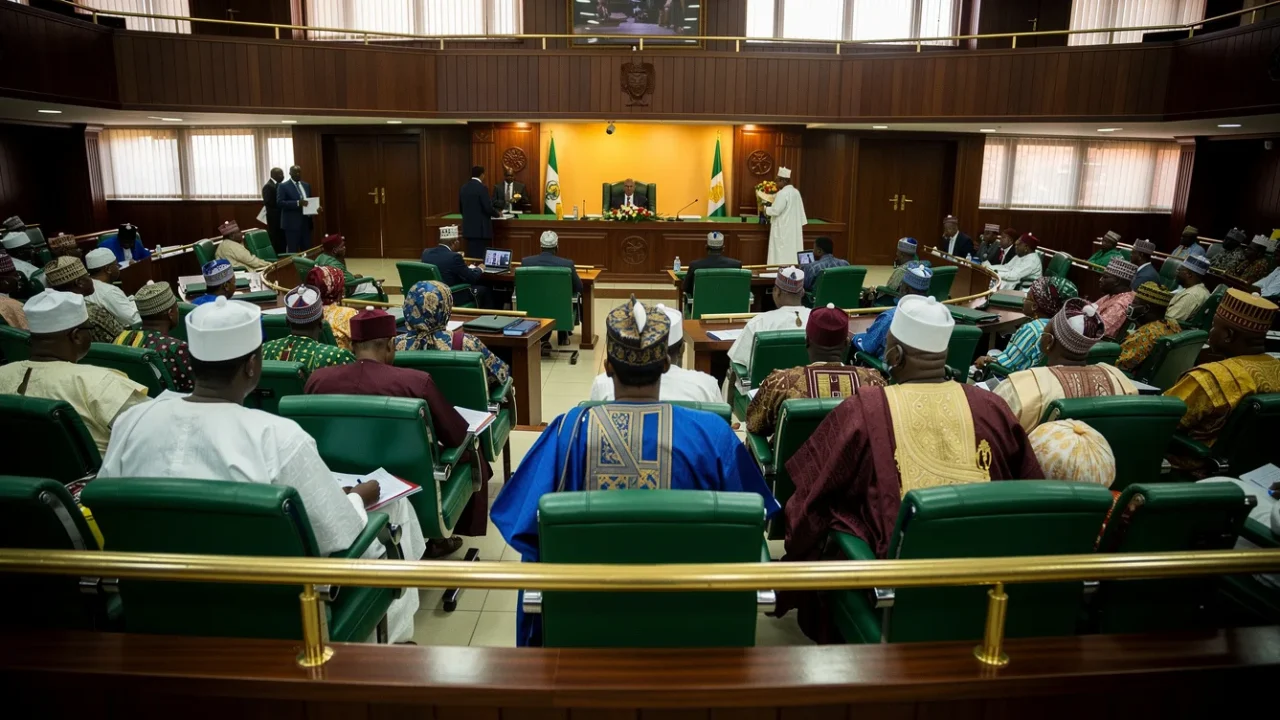
The president sent the Senate a bill called the 2026 Appropriation Repeal and Re-enactment Bill. It came with a revised fiscal plan. The Senate sent it to its Committee on Rules and Business for the next steps.
Tinubu asked senators to treat it quickly so the budget can be carried out smoothly. The cut cannot take effect until the Senate and the National Assembly approve it.
The government says the aim is to match spending with the money available. It also wants to match the budget with bills the government already owes and promises it has already made.
Less spending, same borrowing
Here is the part many Nigerians will find hard to miss. The budget is smaller, but the deficit is not. It stays at N31.4 trillion, which is 5.6 per cent of the country’s GDP.
The government also plans to borrow about N29.2 trillion. Of that, N18.4 trillion will come from inside Nigeria and N10.7 trillion from abroad.
Revenue tells the other half of the story. The revised plan puts total income at N33.7 trillion, counting money from government-owned enterprises. Planned spending is N66.1 trillion. So income covers only about half of what government wants to spend.
That is not new for Nigeria. But it is a reminder that a budget is a wish list until the money comes in. Cutting the figure on paper is one way to admit that.
Capital spending, the money for roads, bridges, power and other projects, is put at N26.2 trillion in the revised plan. Ordinary people feel capital spending most, because it builds the things they use every day.
Where the cut will fall is not yet clear
Many readers will ask: which projects lose out? The proposal, as it has been made public, does not say. It does not list the ministries, roads or services that will give up money. That should be made clear before senators vote.
What the plan does say is that some of the money is going to old obligations. It covers spending by the Nigerian National Petroleum Company Limited on behalf of the Federation, which the plan seeks to regularise. It also covers debt payments that were not fully provided for, and capital warrants already issued. Refunds to ministries, departments and agencies are included too.
In plain words, part of the budget is being rearranged to pay for things already done or already owed. The government says this will give a clearer picture of what it has committed to.
That may be a good thing. A budget that hides what government really owes is no use to anyone. But clearer books are only the first step. Citizens still need to see what happens to new projects in their own states and local areas.
The plan also allows for external borrowing in US dollars to meet existing foreign borrowing commitments. The government says this does not raise the total borrowing figure. The details of the revised plan will be tested when the Senate looks at them.
What it could mean at home
A trader in Onitsha, a nurse in Kano or a student in Calabar will not read fiscal tables. They will feel the result. A road may be finished or left half done. A clinic may get its equipment or wait another year.
Borrowing matters too. Every naira borrowed must be paid back with interest. That money then cannot go to schools and hospitals. This is our view, not a claim in the proposal: the bigger the borrowing, the more careful Nigerians should be about how it is spent.
Fairness demands a word for the other side. Trimming a budget to match real income is better than pretending the money will appear. Honest numbers are a step forward, whichever party is in power.
What you can do now
The bill is with the Senate, so the moment to speak is now. Find out who your senator is and write or call the office. Ask which projects in your area are affected by the cut.
Follow the committee’s work and attend public hearings when they are open. You can also use the Freedom of Information Act to ask a ministry how much it was given and how much it has spent. Join a community or civic group that tracks budget promises.
A budget belongs to the people who pay for it. When we ask questions politely and keep asking, those in power have to answer.
What you can do
Change starts with citizens who show up. Here is how you can act on this story:
- Find your senator's office number or email and ask which projects in your area are affected by the cut.
- Follow the Senate's work on the bill and attend public hearings when they are open to citizens.
- Use a Freedom of Information request to ask a ministry or agency how its 2026 money is being spent.
What should the government do first to fix the gap between its income and its spending?
Tap to vote and see what other readers think.
Based on reporting by: Tinubu Seeks Senate Nod To Cut 2026 Budget By N2.2trn (Leadership Newspapers)
Newsletter
Get stories like this every morning.
Nigeria's politics and public life, explained plainly. Choose every morning or once a week. Free, and you can leave any time.
Spotted an error? Tell us and we will correct it. Read our editorial standards.
Found this useful? Share it with someone who should read it.