

Osun Governor Ademola Adeleke’s Shift to Accord Party Postponed
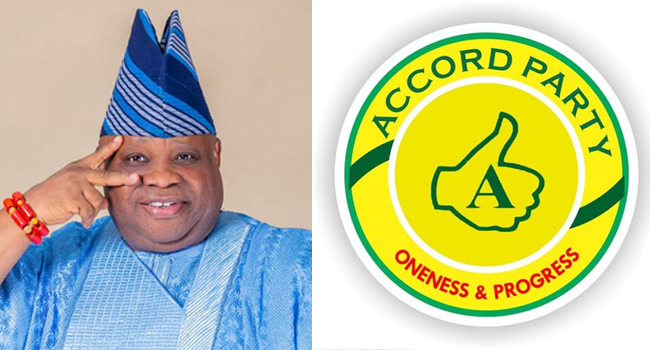
Governor Adeleke set to join Accord party
The expected shift of Osun State Governor Ademola Adeleke to the Accord Party has been postponed due to the recent Peoples Democratic Party (PDP) convention, as stated by Osun State Commissioner for Information and Civic Orientation, Funke Egbemode. The decision to delay the transition seeks to avoid any potential controversies stemming from this political change.
The postponement of Governor Adeleke’s shift underscores the continuing tensions within Nigeria’s political arena. Amidst economic challenges, security worries, and governance issues, such political activities can greatly influence public perception. The prevailing political atmosphere in Osun State mirrors wider patterns in the country, where loyalty to parties and defections frequently spark intense discussions among citizens and political commentators.
Political Landscape in Osun State
The recent PDP convention was a crucial event for numerous party members. The choice to delay the defection arises from increasing dissatisfaction among constituents regarding governance and economic conditions in Osun State. Recent findings suggest a dip in public trust towards the PDP, with many citizens voicing their anxiety over the party’s capability to tackle urgent problems.
– Economic Challenges: Osun State is grappling with notable economic issues, including unemployment and insufficient infrastructure.
– Security Concerns: Rising crime rates have enhanced feelings of insecurity among residents, triggering demands for competent governance.
– Public Opinion: A recent poll indicated that more than 60% of Osun inhabitants think political instability is hindering economic advancement.
Consequences of the Delay
The deferral of Governor Adeleke’s transition to the Accord Party raises uncertainties regarding the future of his administration and the political relationships he may pursue. Analysts indicate that this postponement could either bolster his standing within the PDP or deepen rifts among party members. The choice highlights the intricate dynamics of Nigerian politics, where loyalty to parties is frequently challenged by individual ambitions and public needs.
Public Response
The announcement of the defection delay has elicited mixed responses from residents of Osun State. Many consider the action a strategic move intended to maintain stability within the state’s government. However, others reproach the governor for failing to take decisive measures to tackle the issues affecting the state.
– Supporters: Some individuals argue that the postponement reflects a commitment to fostering political unity and evading unnecessary discord.
– Critics: Opponents claim that the delay illustrates indecision and a lack of clear direction in governance.
Upcoming Political Scenario
As Governor Adeleke charts his political course, the repercussions of his choices will extend beyond party affiliations. The possible transition to the Accord Party could alter the political framework in Osun State, affecting forthcoming elections and party relationships throughout Nigeria.
Current trends suggest that party switching is becoming increasingly prevalent among Nigerian politicians. Given the ongoing economic and security difficulties, voters are more inclined to seek leaders who can offer solutions rather than just political slogans. This shift could result in a more unpredictable political atmosphere as parties compete for public backing.
Path Ahead
The postponement of Governor Ademola Adeleke’s transition to the Accord Party emphasizes the complex nature of politics in Nigeria. As the nation continues to face significant hurdles, the actions of political leaders will be vital in shaping the future.
Looking ahead, it is crucial for leaders to focus on transparency and effective governance. The people of Osun State deserve leaders dedicated to addressing their needs and concerns. In these uncertain times, the emphasis must remain on nurturing political stability and ensuring that the voices of the populace are acknowledged.
