Key points
- The Federal Government says yearly medical school admissions have gone from 5,000 to about 12,000, with a target of 20,000 by the end of 2028.
- The minister says nursing admissions have risen from about 28,000 to more than 130,000, and he asked people to check the figures with regulators.
- More students need more lecturers, labs and training beds, and the reported remarks speak mainly of hostels and buildings.
- Doctors usually stay where pay and working conditions are decent, so training alone may not close the gap in rural and poor communities.
- Citizens can ask questions, track the 2028 promise and press lawmakers on health budgets.
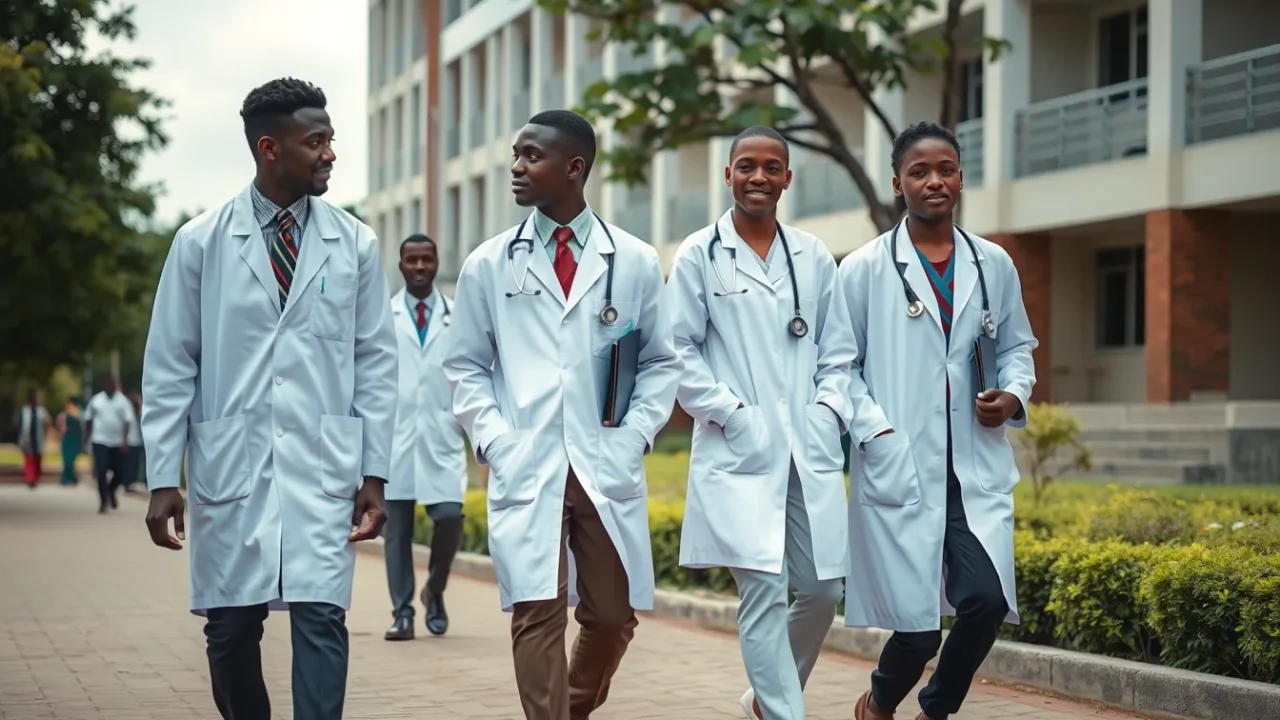
The Federal Government says it has more than doubled the number of students it admits into medical schools each year. The figure now stands at about 12,000, up from 5,000.
The Minister of Education, Dr Tunji Alausa, gave the number in Ibadan on Saturday. For any Nigerian who has waited long hours in a crowded clinic, the big question is simple: will these young doctors stay to treat us?
A new hostel and a bigger target
Alausa spoke at the College of Medicine, University of Ibadan. He was there to open a 192-bed hostel for students, and he represented President Bola Tinubu.
On the sidelines, he said yearly admission into medical schools has risen to about 12,000, from the 5,000 recorded before the administration began in May 2023.
The government wants to go further. “We decided that in four years, we will increase the number to 20,000 annually,” he said.
“Three years into it, we are enrolling about 12,000 medical students now across all our medical schools in the country, and by the end of 2028, we will meet our target of enrolling over 20,000 medical students,” he said.
The minister said the reason is plain. Nigeria does not have enough health workers, and many doctors and nurses have left to work abroad. Hospitals at home are feeling it.
He also said admissions into dentistry, pharmacy, physiotherapy and other health courses have gone up. Nursing admissions, he said, have risen from about 28,000 to more than 130,000 a year.
He asked journalists to check the nursing and medical figures with the regulators, including the Nursing and Midwifery Council of Nigeria. That is a fair invitation, and citizens can take it up too.
A seat is not the same as a teacher
More places is good news. Nigeria needs more doctors, and no one should pretend otherwise. Credit is due for setting a clear number and a date.
But a medical student needs more than a bed in a hostel. A student needs lecturers, labs, books and enough patients and wards to learn from.
The minister spoke of hostels, school buildings and nearly N500bn spent on education infrastructure. In the remarks reported, he did not say how many more lecturers are being trained or hired. He also did not say how many extra training places exist in teaching hospitals.
That matters. If classes grow faster than the number of teachers, quality can suffer. A bigger class is only a gain if each student is well trained.
The minister also pointed to the student loan fund, NELFUND, which he said has widened access to tertiary education whatever a family’s income. For a bright child from a poor home, that could open a door that was once shut.
The doctor who packs his bags
Now to the hard part. A medical degree takes about six years, so most of today’s 12,000 will not be full doctors for a good while.
When they finish, they will choose. Some will stay. Some will look at pay, call duty, broken equipment and unsafe wards, and look abroad.
Training more people does not by itself make them stay. A doctor who has to buy gloves, work double shifts and wait months for a salary will think about leaving, whatever the size of the class.
This is our view, not a claim from the minister. But it is a worry many Nigerian families will recognise. We pay to train our own doctors, and other countries get the benefit.
There is a fair counter-argument. If Nigeria trains many more doctors, even with some leaving, more will remain than before. Numbers help. The point is that numbers alone will not be enough.
What it means for the village clinic
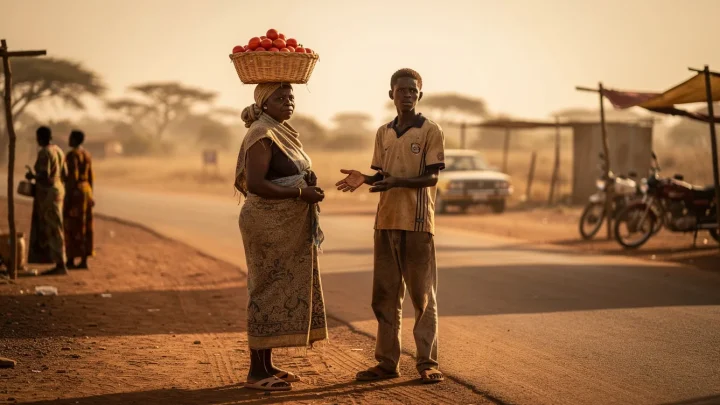
The patients who feel a doctor shortage most are not in Ibadan or Lagos. They are in small towns and villages, where one clinic may serve many communities.
A mother with a sick child there may travel far to see a doctor. A trader with a swollen leg may wait until it is too late.
New graduates tend to settle where there are decent homes, schools, steady pay and working equipment. If those things are missing in rural areas, the new doctors may crowd into the cities or fly out of the country.
So the real test of this plan is not how many students enrol in 2028. It is whether a clinic in an under-served place has a doctor on Monday morning.
How citizens can keep watch
The promise is public, and so we can all track it. The target is over 20,000 medical students by the end of 2028.
You can write to your House of Representatives member or senator and ask what they are doing about health workers in your area. You can attend town halls and budget hearings and ask how much goes to teaching hospitals, lecturers and health worker pay.
You can use the Freedom of Information Act to ask the ministry and the regulators for the numbers on lecturers, training places and graduates who stay. You can also join a community group that follows your local clinic.
Nigeria has the young people, and many want to study medicine. If we keep asking good questions, those young doctors may get a reason to build their careers here, and our clinics may get the doctors they need.
What you can do
Change starts with citizens who show up. Here is how you can act on this story:
- Write to your House of Representatives member and ask what is being done for health workers in your area.
- Attend a town hall or budget hearing and ask how much is set aside for teaching hospitals, lecturers and doctors' pay.
- Use a Freedom of Information request to ask for the numbers on lecturers, training places and graduates who stay.
What is most likely to keep newly trained doctors working in Nigeria?
Tap to vote and see what other readers think.
Based on reporting by: FG raises annual medical school admissions to 12,000 — Minister (Punch Newspapers); War against JAPA: Tinubu opens 12,000 medicine slots yearly for aspiring doctors (Daily Post Nigeria)
Newsletter
Get stories like this every morning.
Nigeria's politics and public life, explained plainly. Choose every morning or once a week. Free, and you can leave any time.
Spotted an error? Tell us and we will correct it. Read our editorial standards.
Found this useful? Share it with someone who should read it.